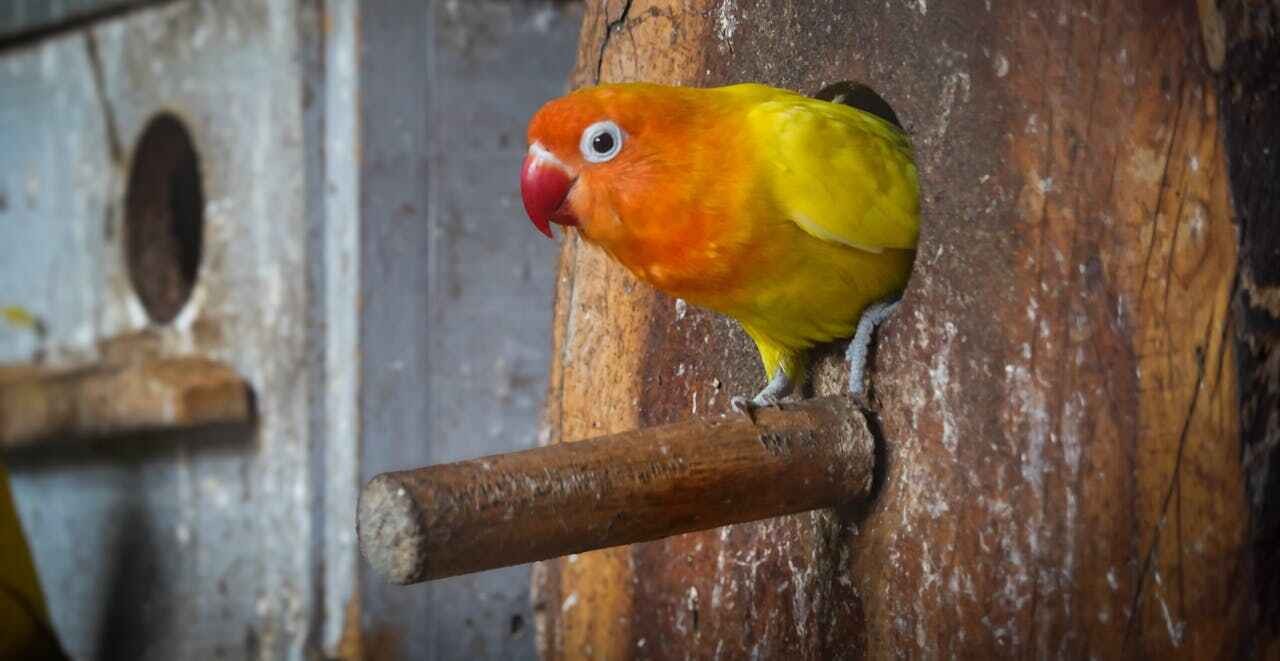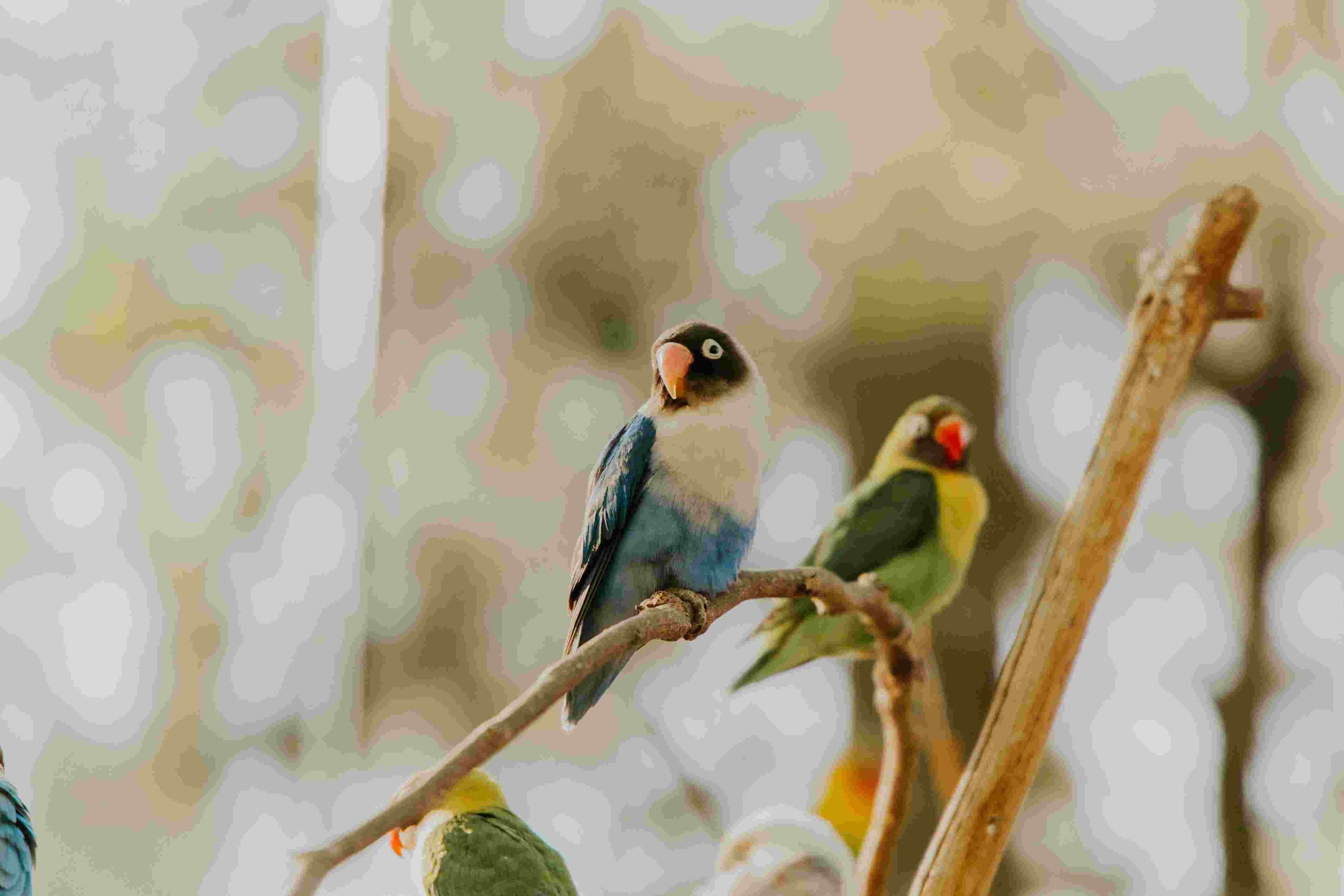
This can be a challenging time for pet birds, especially for lovebirds. They are colorful, nature active and playful birds that can get sick if not cared for properly in cold temperatures. Knowing how to keep your feathered friend healthy and happy in the winter, however, is essential.
In this guide, you’ll Lovebird Care in Winter discover the best ways to care for your lovebirds in the winter season, such as the correct cage setup, food choices, temperature control, hydration, and some of the most common mistakes made by many bird breakers.
Why Winter Care Is Important for Lovebirds
The Lovebird is found in tropical areas of Africa,Lovebird Care in Winter and the temperatures are fairly consistent all year round. They are unable to effectively maintain body temperature in colder weather as humans do.
Lovebird Care in Winter When exposed to cold air, Lovebird Care in Winter cold drafts or sudden changes in temperature, it can cause:
- Respiratory infections
- Weak immune system
- Loss of appetite
- Excessive fluffing of feathers for extended periods of time
- Reduced activity
- Stress and discomfort
By giving proper winter care, your lovebird will remain healthy and active during winter.
1. Provide Warmth for Your Lovebird
The lovebird’s Lovebird Care in Winter preferred winter temperature is 20°C to 27°C (68°F to 80°F).
If you need to warm your bird:
- Place the cage in a warm room.
- Do not put in or take out of hot water.
- At night, half cover the cage with a breathable breathable cover.
- Avoid placing the cage near cold windows and doors.
- Do not put the cage near a heater or a fireplace as too much heat also can affect your bird.
2. Keep Your Bird Away from Cold Drafts
One of the greatest threats in winter is cold air.
Avoid placing the cage:
- Near open windows
- Be near air conditioners
- Beside exterior doors
- In windy balconies
Even if the room is warm enough, Lovebird Care in Winter if there is a cold draft, it can easily make the lovebird sick.
3. Make Eating a Healthy Winter Meal
Your lovebird’s diet will keep him/wir Lovebird Care in Winter warm and boost the immune system.
Include:
Millet
Oats
Fresh vegetables
Carrots
Spinach
Broccoli
Bell peppers
Small amounts of fruits
Seeds in moderation
Cuttlebone or mineral Lovebird Care in Winter blocks can also be used as a source of calcium.
Table of Contents
Avoid Giving:
- Chocolate
- Avocado
- Caffeine
- Salty foods
- Sugary snacks
Always remove food after about a few hours to avoid spoilage.
4. Make Sure That Fresh Drinking Water Is Available
Lovebird Care in Winter Even during the winter months birds require ample clean water.
Lovebird Care in Winter: Change the water at least twice a day, as it may get too cold or bacteria may develop in the water during the winter.
Lovebird Care in Winter If your area becomes extremely cold, make sure the water does not become excessively cold before your bird drinks it.
5. Apply Sunscreen
Lovebird Care in Winter with the help of natural sunlight, Vitamin D is generated, which is vital for bone health and good health.
If possible:
- Allow your lovebird to enjoy morning sunlight for 15–30 minutes.
- Do not expose to direct heat in the heat of the day.
- Avoid leaving the cage outside in chilly windy weather.
Turning the window in towards the house, or letting in sunlight from the window can help, but it is the fresh morning sun that is usually more beneficial.
6. Don’t Forget to Clean the Cage
This doesn’t necessarily mean that you can’t clean in the winter.
Dirty cages create an added risk of bacterial/fungal infections.
Clean regularly:
- Food bowls
- Water containers
- Cage floor
- Perches
- Toys
A clean bird room helps to prevent sickness and ensure comfort for your bird.
7. Encourage Daily Exercise
Lovebirds are active throughout the winter.
Give supervised out-of-cage time each day in a warm room.
Provide:
- Climbing toys
- Swings
- Chewing toys
- Ropes
- Perches
With exercise, you are keeping your bird active and well circulated, and keeping it mentally stimulated.
8. Know the symptoms of sickness
Respiratory problems could be more frequent in the winter.
There are some common signs to look out for:
Be able to recognize when someone is sick.
Winter months may be when you have more respiratory issues.
Common signs to look out for:
Constant feather fluffing
Sneezing
Difficulty breathing
Runny nose
Watery eyes
Having excessive sleep and getting up late.
Loss of appetite
Sitting for prolonged periods of time
Seek veterinary advice for the avian veterinarian if these symptoms persist for more than a day.
Recovering is much more effective with early treatment.
9. Maintain Proper Humidity
The air can become very dry with indoor heating.
Dry air may cause:
- Dry skin
- Brittle feathers
- Respiratory discomfort
A humidifier in the room may be used to keep the humidity comfortable. Don’t forget to maintain the humidifier and keep it mold and bacteria free.
10. Reduce Winter Stress
Lovebirds are creatures of habit.
During winter:
- Continue the regular feeding schedule.
- Take the time to spend quality time with your bird.
- Refrain from loud sounds.
- Get adequate sleep (10-12 hours per night).
A free bird is a healthy bird, and a bird isn’t going to become sick if it’s relaxed.
Common Mistakes to Avoid During Winter
Here are some common mistakes that should be avoided during the winter season.
Many owners unwittingly commit errors that can cause problems for their bird’s health.
Avoid:
- To place the cage near heaters
- Placing the cage close to cold windows
- Feeding only seeds
- Not taking action when symptoms indicate sickness
- Allowing cold drafts
- Using a vaporizer with scented candles or air fresheners
- Failure to clean cages regularly
With just a few precautions, many winter issues can be avoided.
Frequently Asked Questions
Are cold weather safe for lovebirds?
Yes, but not to extremely low temperatures or to cold drafts. The best choice for them is to keep them in an internal stable and warm environment.
Should I put my lovebird’s cage in the dark at night?
Yes. A cage cover that allows for breathing will help to keep the cage warm and will give the birds a sense of security. Do not completely close the cage, adequate ventilation still needs to be maintained.
Do lovebirds bathe in the winter?
Yes, but in a warm room. Always use lukewarm and be sure to dry your lovebird thoroughly before bringing him to cooler temperatures.
How can I tell if my lovebird is too cold?
Symptoms are feather fluffing, shivering, inactivity, and huddling. If symptoms continue, raise the temperature of the environment and see an av vet if necessary.
Conclusion
During the winter months, a little extra attention is needed when caring for a lovebird, but it will be well worth it. Keeping your lovebird healthy, active and happy throughout the winter season is made easy by making sure to maintain a warm environment, a balanced diet, fresh water, exercise and watching for signs of disease.
With the proper care and a consistent routine your feathered friend will flourish year round.
You have not enough Humanizer words left. Upgrade your Surfer plan.