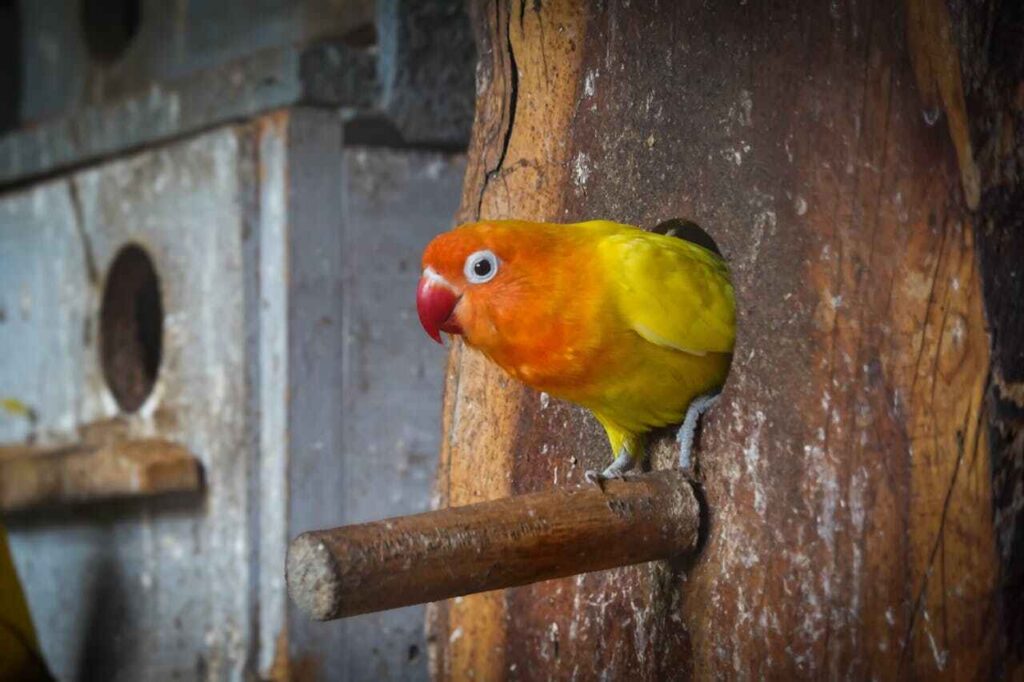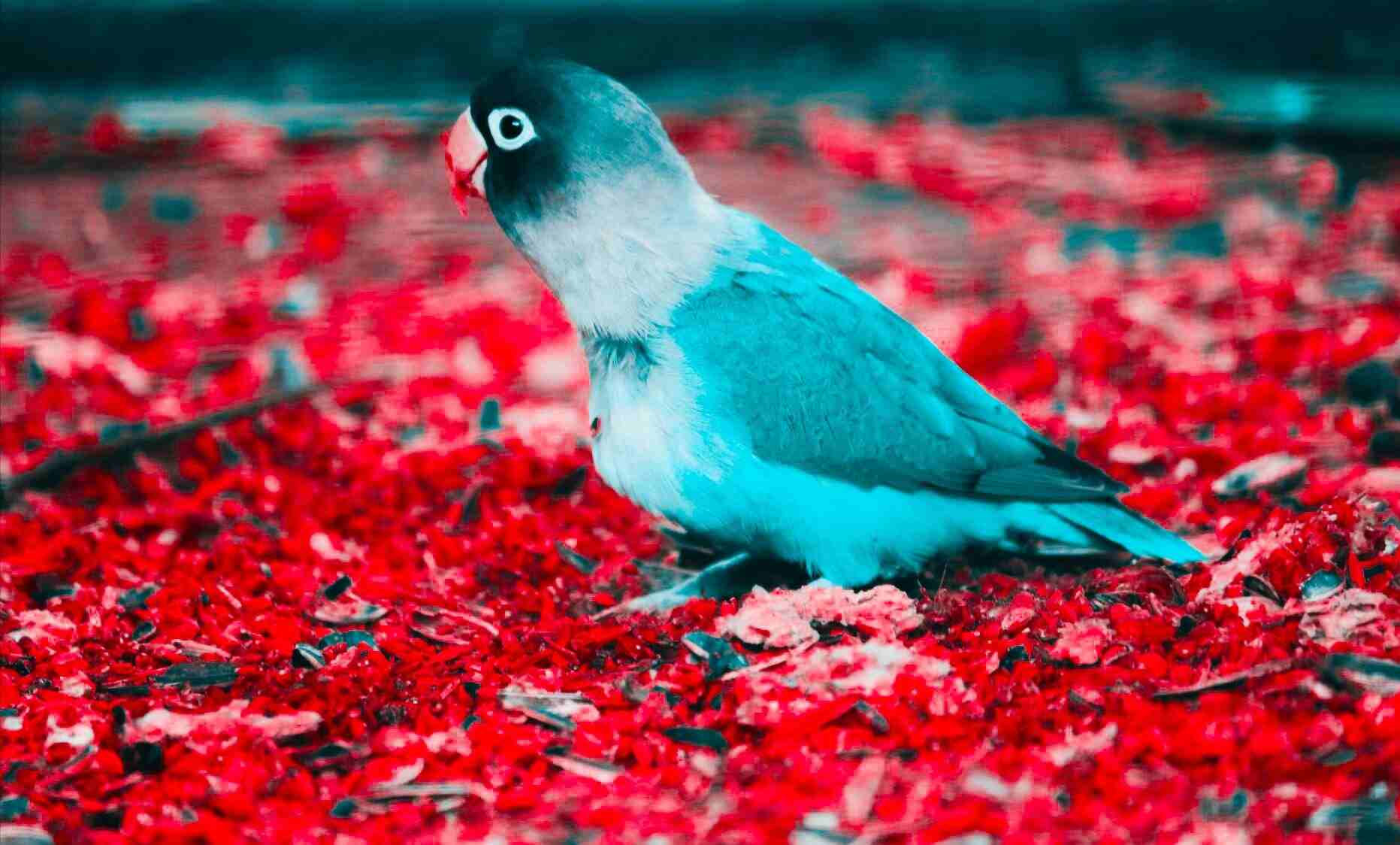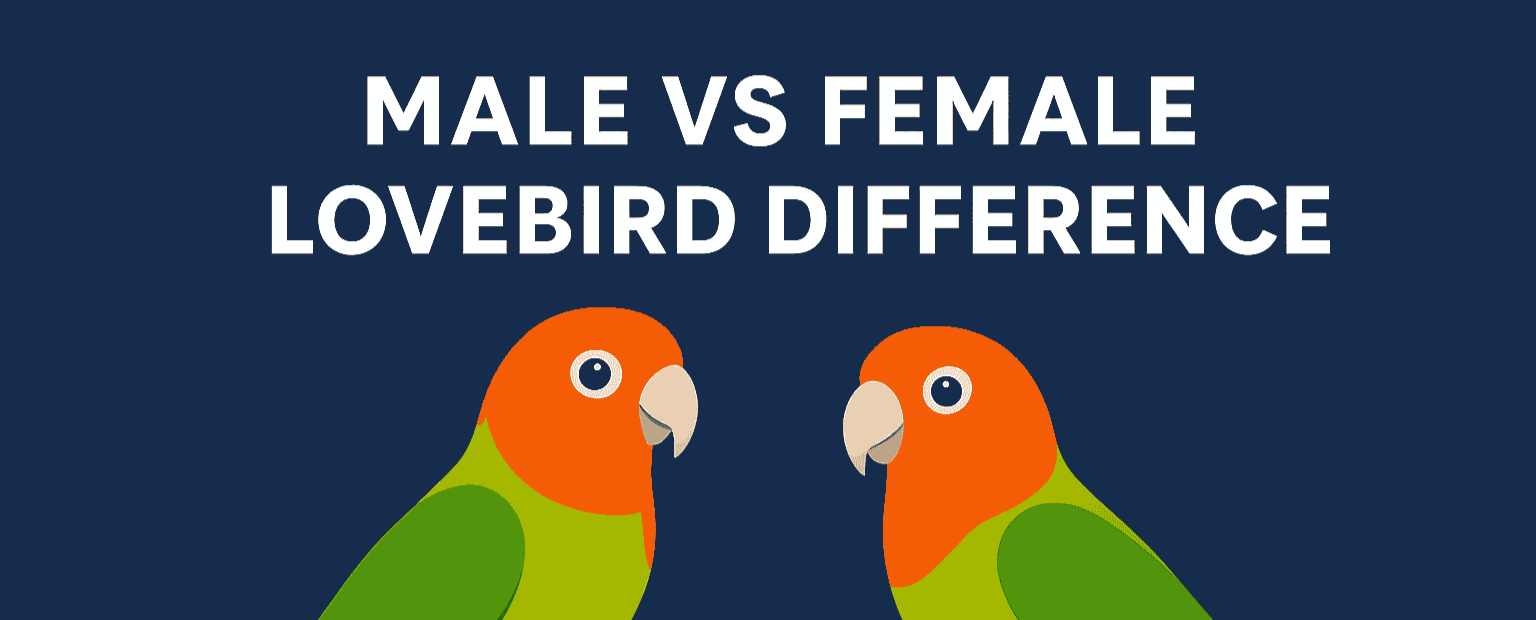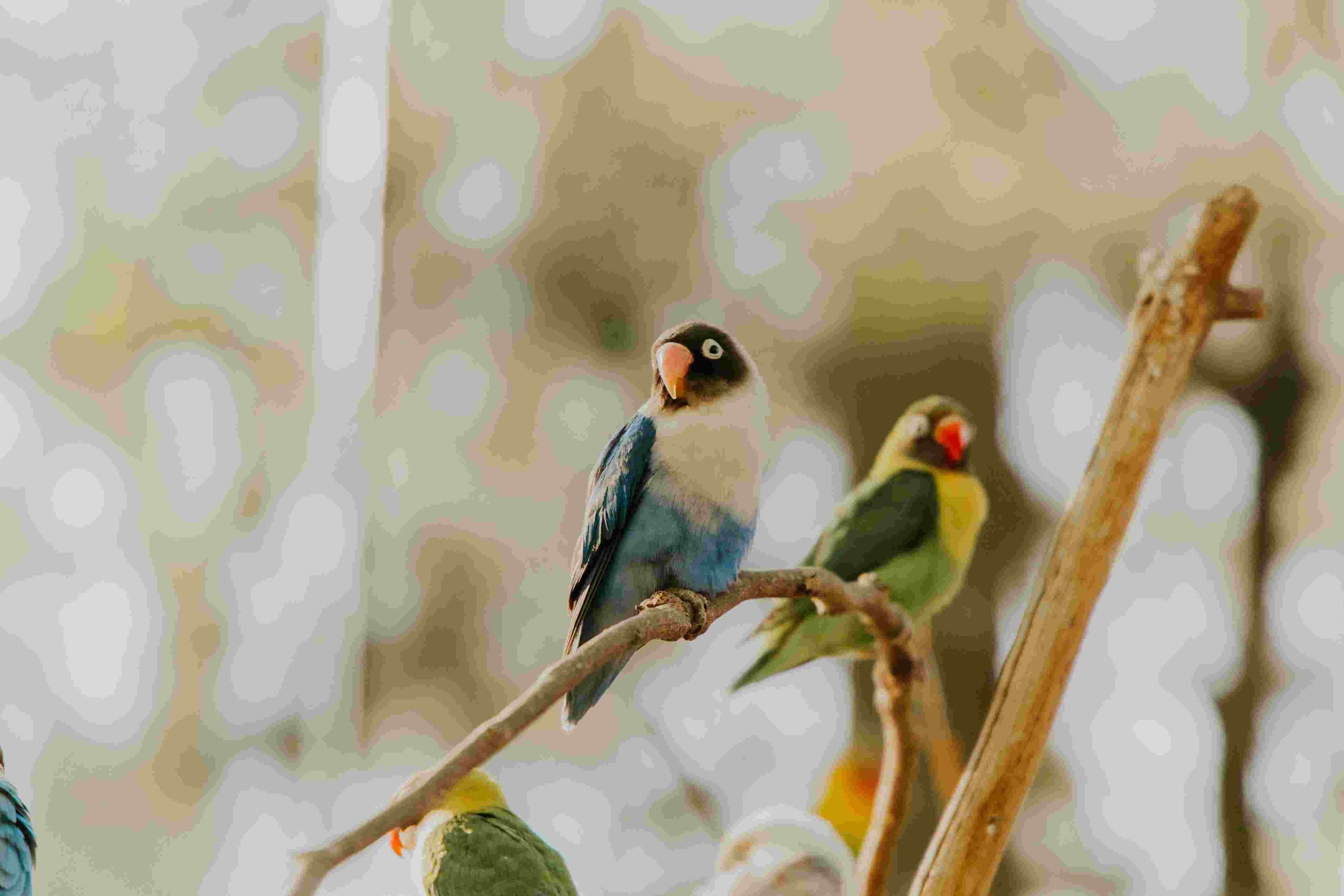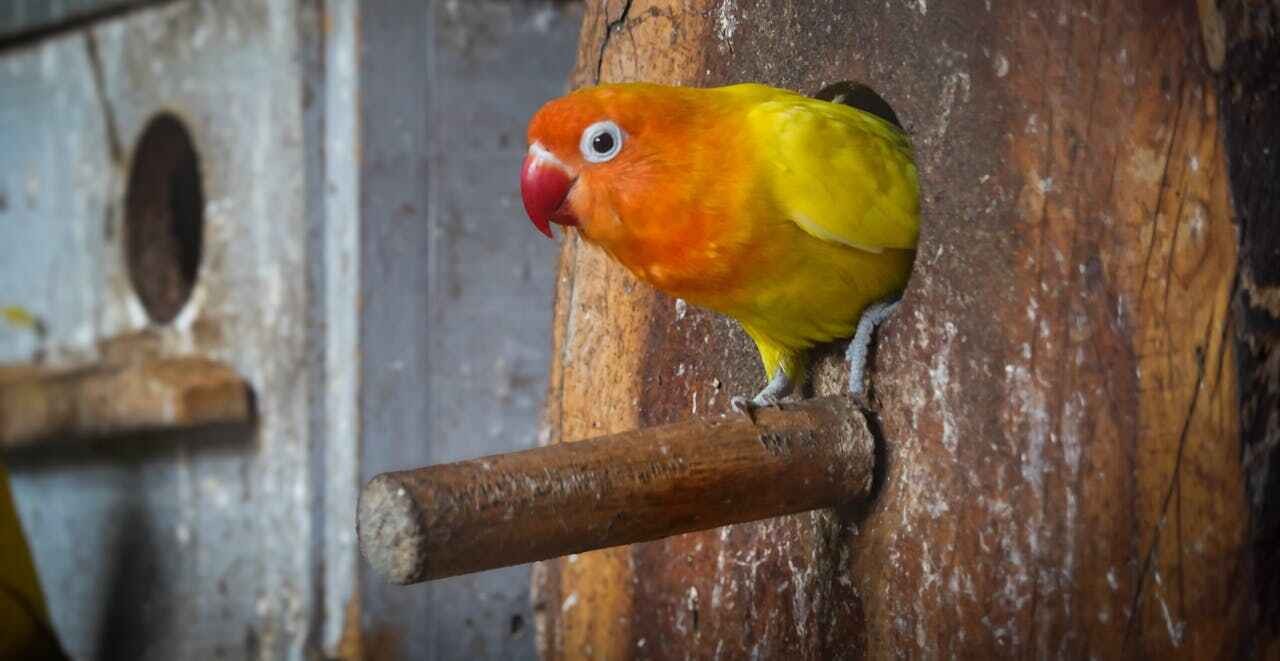
One of the most favored small parrots is the lovebird. They are playful and have bright colors, and they live in close pairs. The lovebirds were so affectionate that they were named lovebirds. Where do they come from? How did they evolve? How have they become popular pets?
This is a guide that examines the origin of lovebirds. It discusses their history, their place of residence, their development, and their transformation into pets.
What Are Lovebirds?
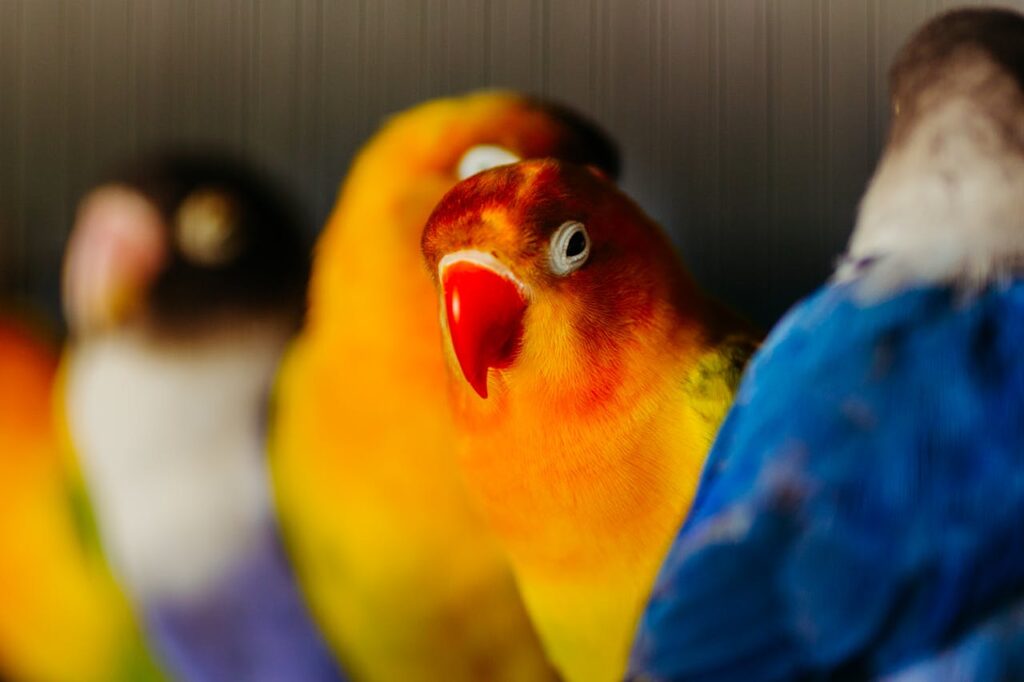
Lovebirds belong to the genus Agapornis, a family of the Psittacidae. The Greek words that the name is based on are:
- “agape” – love
- “orris” – bird
They are very monogamous and hence the name. The Origin of Lovebirds comes from their behavior of spending a lot of time together, cleaning each other, and staying near is what the pairs do, dedicating many hours of their lives to each other.
The Origin of Lovebirds?
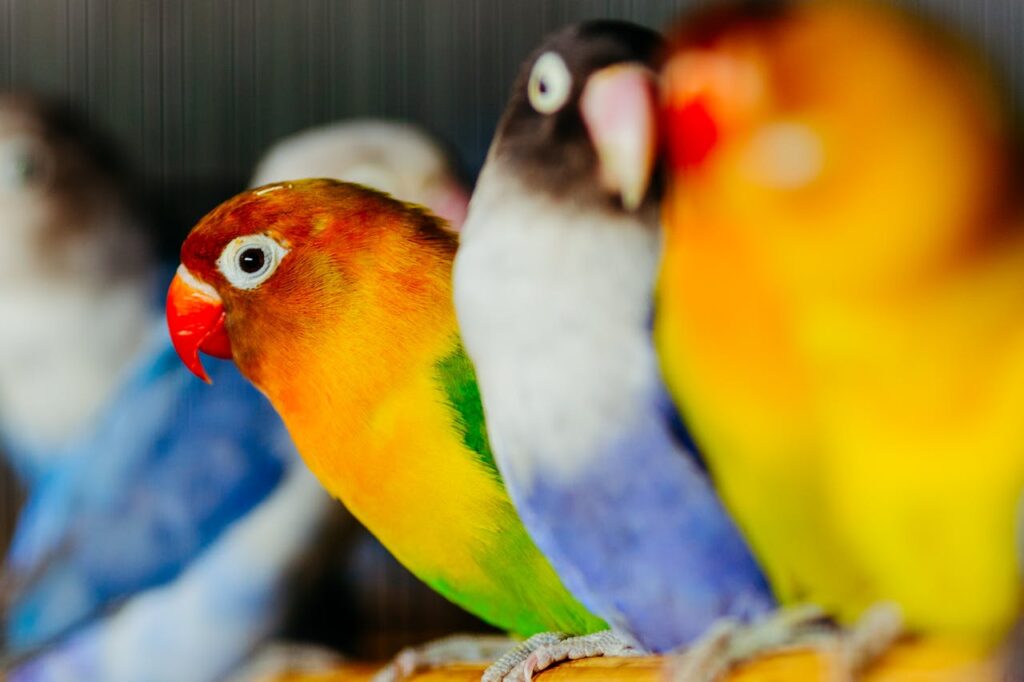
The lovebirds are native to Africa, and eight out of nine species are naturally found there. The Origin of Lovebirds also includes Madagascar, the only island where one species, the Grey-headed Lovebird (Agapornis canus), originated, a place with unique wildlife.
Lovebird Distribution Across Africa
Lovebirds are native to several regions, including:
- Tanzania
- Namibia
- Angola
- Zimbabwe
- Ethiopia
- Malawi
- Botswana
- South Africa
Every species prefers its habitat, and this fact allows them a high variety of colors and behavior.
Natural Habitat of Lovebirds
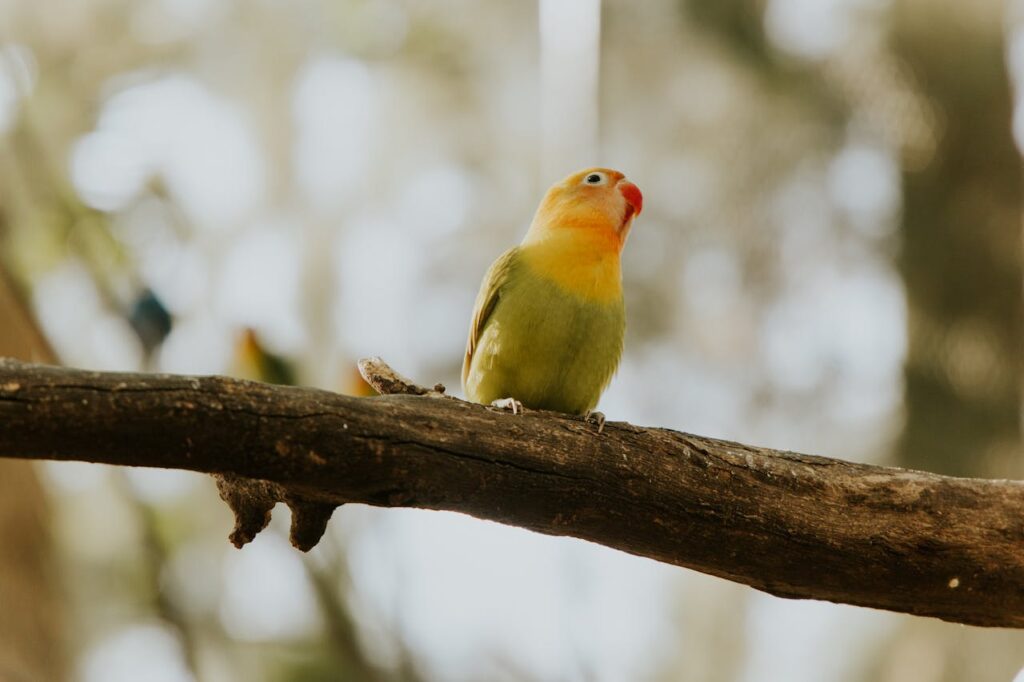
Lovebirds are found in many varied habitats in nature, depending on the species. Their homes include:
1. Savannas
Several species are found in dry savanna regions where they have scanty trees in which to nest and protect themselves.
2. Woodlands and Forest Edges
Fischer and the Black-winged Lovebirds prefer forests that are densely vegetated.
3. Scrublands and Dry Forests
Rosy-faced (Peach-faced) Lovebird is commonly observed in desert-like areas and arid scrublands in southwestern Africa.
4. Highlands and Mountain Forests
There are those species that can be found at elevated levels, and the climate is cool, such as the Black-cheeked Lovebird.
These homes provide lovebirds with natural nesting areas, an abundance of seeds, fruit, and small plant food, which are their primary food in nature.
Evolution and History of Lovebirds
Thousands of years ago, lovebirds existed. The Origin of Lovebirds traces back to their being descendants of ancient African parrots. With the transformation of the world and the separation of various groups of people, nine species of lovebirds evolved.
Earliest Records
European explorers in the 1700s who were researching animals in Africa wrote the first scientific account of lovebirds.
Adaptive Traits
Lovebirds evolved several survival traits:
- Strong beaks for cracking seeds
- Close pair bonding for cooperative nesting
- Nesting behavior that includes shredding leaves and bark
- Small size to adapt to tight nesting spaces in trees or rocky crevices
These adaptations helped them thrive in diverse habitats across Africa.
The Nine Wild Species of Lovebirds
Scientists have identified nine species in the Agapornis genus:
- Rosy-faced (Peach-faced) Lovebird
- Fischer’s Lovebird
- Yellow-collared (Masked) Lovebird
- Black-cheeked Lovebird
- Lilian’s Lovebird
- Black-winged Lovebird
- Red-headed Lovebird
- Grey-headed Lovebird (Madagascar Lovebird)
- Swindern’s Lovebird (the rarest, rarely seen in captivity)
Each species displays unique coloration and behavior patterns, making the genus extremely diverse.
Domestication: How Lovebirds Became Popular Pets
The 19th century made lovebirds famous throughout Europe. The Origin of Lovebirds became widely known when the bright birds of Africa were introduced by explorers and traders, and were soon popular due to their:
- Bright feathers
- Small size
- Social nature
- Ability to bond with humans
Selective Breeding
The breeders developed numerous colors, some of them especially in the Peachfaced and in Fischer’s Lovebird. The most popular color varieties are:
- Lutino
- Albino
- Blue mutation
- Pied
- Violet
- Opaline
These color variations helped boost the lovebird’s popularity worldwide.
Lovebirds in Modern Times
Lovebirds are also among the most popular pet birds bought in the world today. The Origin of Lovebirds explains why not all lovebirds are domesticated, as there are a few lovebirds that are still living in Africa, although most of the pet lovebirds have been obtained through specialty breeders.
Lovebirds are admired for:
- Their playful personalities
- Strong pair bonding
- Intelligence and the ability to learn simple tricks
- Their vibrant and diverse colors
They remain a favorite choice for both beginner and experienced bird owners.
Why Understanding Lovebird Origins Matters
Knowing the origin of the lovebirds makes the owners aware of what they need to be. Being aware of their African home justifies their:
- Love for warm temperatures
- High activity levels
- Need for companionship
- Natural chewing and nesting behaviors
Knowing The Origin of Lovebirds and their background will assist people in taking better care of them and having a closer connection with these colorful birds.
Final Thoughts
Lovebirds were the first inhabitants of the diverse African and Madagascar continents. The Origin of Lovebirds begins with how they inhabited grasslands, forests, and mountains, and gradually became strong, loving, and colorful. They are so cute and adaptable, as evidenced by their transformation into pets that are held dear by people worldwide.